Flipping the Pyramid: Why Servant Leadership Is the Fastest Way to Scale
Mar 03, 2026
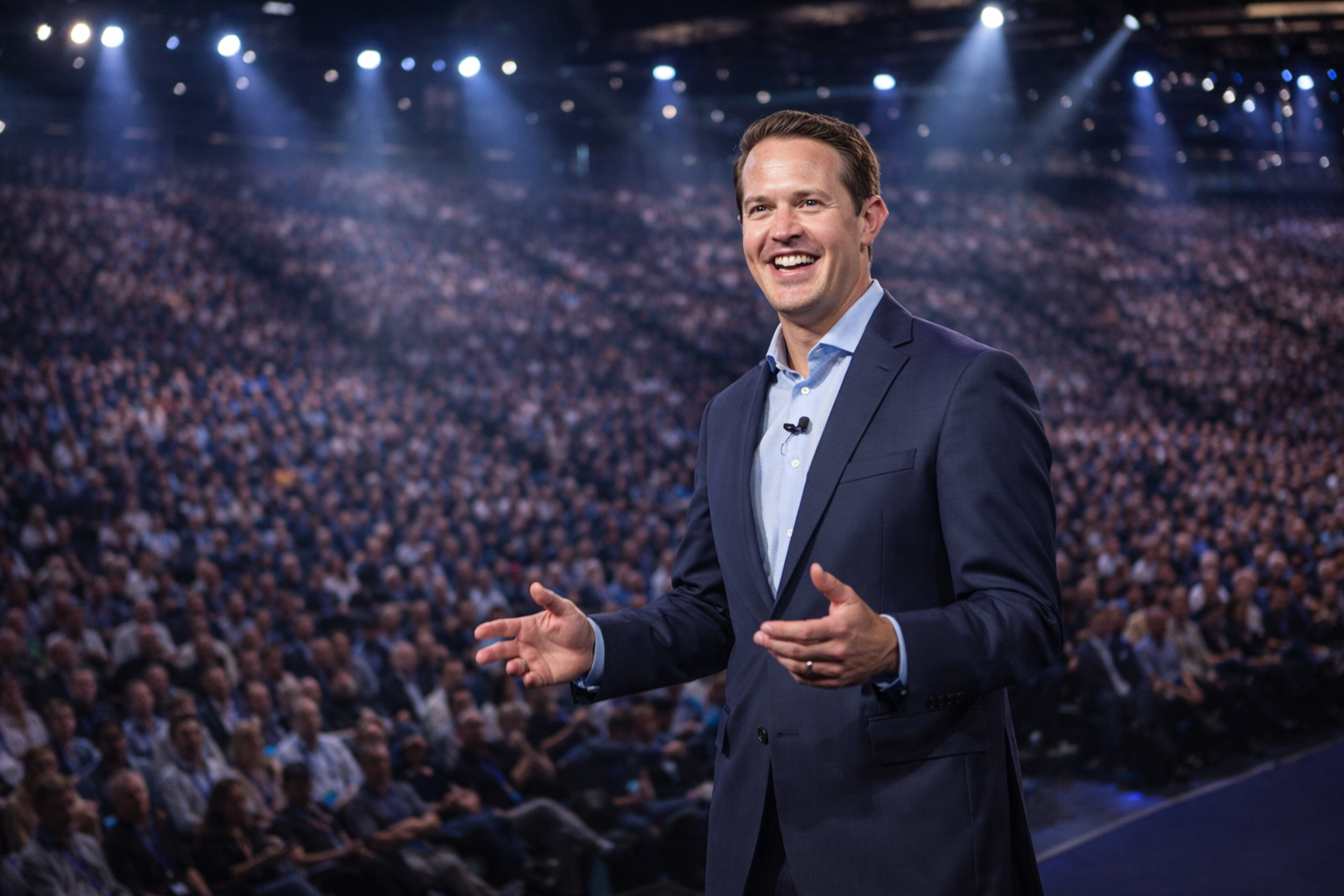
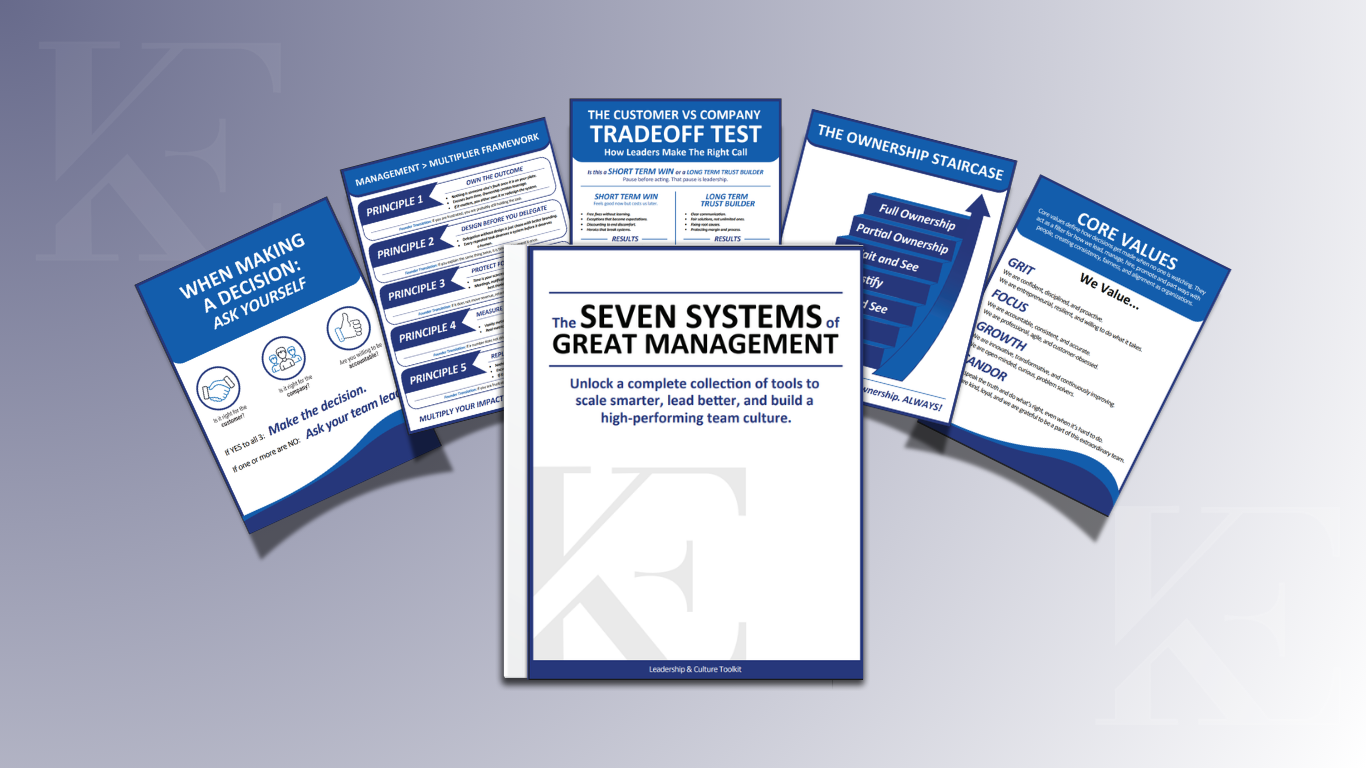
This month, I have the privilege of delivering a virtual keynote to TITAN 100 leaders on a topic that has fundamentally reshaped how I think about leadership, scale, and sustainable growth. Titan 100 is a national program that recognizes the top 100 CEOs and C-level executives across the country who demonstrate exceptional leadership, vision, and impact within their industries. More importantly, it brings those leaders into a community that connects throughout the year to challenge one another and grow. After multiple years of recognition, honorees can be inducted into the Titan Hall of Fame, and I’m deeply grateful to be part of that group. The conversation I’ll be having with Titan leaders centers on a simple but confronting question that applies to any growing organization: as you scale, is your leadership evolving with complexity, or is it quietly becoming the bottleneck? This isn’t about effort, because most leaders care deeply and work tirelessly to move their organizations forward. The challenge is that growth introduces complexity faster than most leadership systems evolve. When that gap forms, momentum doesn’t disappear overnight. It slows subtly. Decisions take a little longer. Alignment requires a little more effort. Over time, the weight becomes noticeable. In the early days of building a company, speed feels natural because everyone is close to the mission and close to one another. Decisions happen quickly because conversations happen quickly. Ownership feels instinctive rather than assigned. Alignment creates velocity because nothing stands between an idea and action. As the organization grows, however, teams expand, customers become more complex, revenue increases, and the stakes rise. Instead of redesigning leadership to match this new level of scale, many organizations add oversight and checkpoints that feel responsible in the moment. What once required a short conversation now requires layers of approval and longer decision cycles. No one intends to slow things down. Yet execution begins to feel heavier. High performers start waiting instead of acting, not because they lack capability, but because the system has trained them to seek permission. The issue usually isn’t talent! It’s design. Servant leadership isn’t a soft philosophy built on lowering standards or avoiding hard conversations. It’s a performance system. In many ways, it demands more clarity, more discipline, and stronger expectations than traditional command and control leadership. At its core, it flips the traditional pyramid by placing ownership closer to the work and shifting leaders from central decision-makers to architects of systems that enable strong decisions to happen without them. The language shift may sound small, but its impact is enormous. When a leader says, “Send it to me for approval,” the organization learns that progress requires permission. When a leader says, “You own this, and here’s what good looks like,” the organization learns how to think and decide. Over time, teams adapt to the system they’re part of. If escalation feels safest, escalation becomes the default. If ownership is trusted and reinforced, ownership expands. Some of the highest performing organizations in the world have intentionally designed around this principle. Netflix emphasizes context over control by giving teams clarity and guardrails while holding them accountable for outcomes. Toyota empowers frontline workers to stop production when something looks wrong because the people closest to the work see problems first. Ritz Carlton gives employees the authority to resolve customer issues without waiting for approval. These aren’t cultural perks. They’re structural decisions designed to remove friction and increase speed. I experienced this shift firsthand at TerraSlate. As we grew and began serving organizations such as the NFL, the U.S. military, and Fortune 50 companies, both speed and precision became nonnegotiable. The margin for error narrowed while expectations increased. For a period of time, even with strong leaders in place, more decisions began traveling upward. Leadership involvement increased, not because the team wasn’t capable, but because the system unintentionally encouraged dependency. The breakthrough didn’t come from a new hire or a new strategy. It came from redesigning the job of leadership. We stopped asking who made a mistake and started asking what made the work harder than it needed to be. Instead of defaulting to “run it by me,” we reinforced “you own this, and here are the outcomes we expect.” Mistakes didn’t vanish overnight. But learning accelerated. Decision cycles shortened. Leaders gained space to think strategically instead of reviewing incremental details. The most important realization was simple: leaders don’t scale by being needed more. They scale by being needed less. High-trust environments consistently outperform low-trust ones, not because they’re relaxed, but because they remove friction and allow decisions to happen where the best information lives, which is closest to the work. Servant leadership doesn’t eliminate control. It transforms control into clarity and accountability. That shift is what allows speed to compound instead of stalling. When leaders intentionally flip the pyramid and design for ownership, execution accelerates because authority sits closer to the problems being solved. Teams don’t have to wait for layers of validation before moving forward. Ownership expands because trust is paired with clear standards, making accountability normal instead of exhausting. Leadership gains leverage because energy is no longer consumed by reviewing every decision. It is invested in designing better systems and developing people. The alternative rarely looks like dramatic failure. More often, it looks like a gradual slowdown. Quiet disengagement from high performers. Initiative fades in subtle ways. From the outside, everything appears functional. Inside, momentum erodes. Every scaling leader eventually faces the same question: where am I still the bottleneck, and which decisions am I holding that my team is ready to own? Releasing even one meaningful decision and replacing control with clarity can restore speed almost immediately. You don’t scale by tightening your grip. You scale by building systems where ownership thrives and trust compounds. This is one of my 3 core keynote topics, and it’s a message I love bringing to companies, conferences, and leadership teams that want to grow without becoming their own constraint. In March, I’ll also be sharing a version of this keynote on my YouTube channel. If this conversation resonates with you, subscribe there to be notified when it’s released. I can’t wait to continue the discussion and see what you build when leadership becomes a multiplier instead of a bottleneck.The Idea
The Insight
The Impact